Summer in Manchester, NH lets residents enjoy the warm weather, have backyard barbecues, and spend time outdoors. But along with sunshine and blooming flowers comes wasps, which people do not want nearby. These buzzing insects give painful stings and have bad tempers. Also, they can bring some serious problems to your home. That is why pest control in Manchester is necessary in summer. Keep reading to understand how wasps can cause trouble around your house.
Table of Contents
Painful Stings and Allergic Reactions
Wasps can sting over and over again. This makes them especially dangerous when they feel threatened or when their nest is disturbed. For some people, a wasp sting can cause swelling, itching, and a serious allergic reaction known as anaphylaxis. This is a medical emergency and can happen very quickly. Having wasps nearby is a risk if you or someone in your home is allergic to stings.
Aggressive Behavior
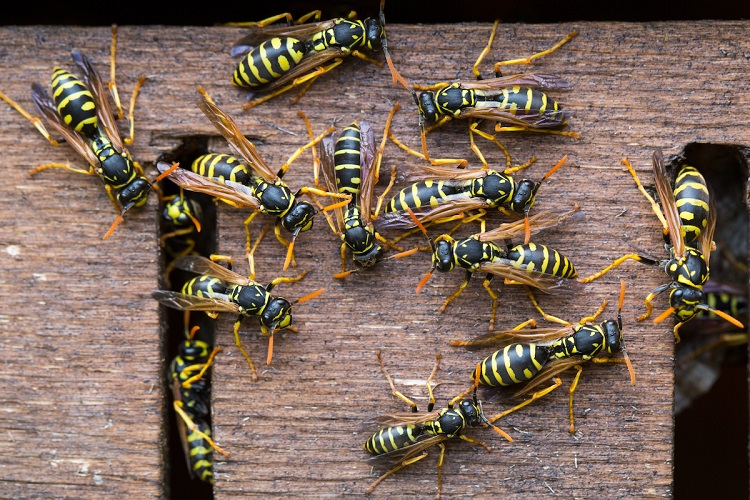
Wasps can be aggressive, especially yellow jackets. These species are not afraid to defend their territory, and this includes places near your home where they have built a nest. They can attack as a group if you get too close to their nest. This behavior makes it hard to enjoy your yard or outdoor space. A peaceful afternoon on the porch can quickly turn into a wasp battle if there is a hidden nest nearby.
Nesting in Unwanted Places
Wasps like to build nests in places that are sheltered and protected from the weather. This can mean places such as your eaves, roof edges, attic vents, or inside wall voids. Some species, like paper wasps, build their nests in the corners of windows and doors.
Over time, nests can grow quite large, especially if they go unnoticed. These nests are unsightly and increase the number of wasps flying around your home, raising the risk of being stung. Removing a wasp nest can be dangerous once well-established.
Structural Damage
Paper wasps collect wood fibers from fences, decks, and siding to build their nests. They scrape the wood with their jaws, mix it with saliva, and create a papery material for their nest. Over time, this can wear down wooden surfaces and leave behind rough patches.
Wasps can also damage insulation or wiring if they nest inside walls or attics, especially if they decide to move deeper into the structure. This hidden damage can lead to costly repairs.
Attracting More Wasps
Wasps are smart and social insects. A wasp that finds a good source of food will tell the others. Soon, a single wasp turns into a swarm. This is when problems begin. Your outdoor dinner can quickly become a wasp magnet.
Certain smells can attract wasps, including perfumes, sugary foods, and some pet food. Wasps will keep coming back and possibly build nests nearby if your property regularly provides them with a food source.
Danger to Pets and Children
Pets and children are also at risk, especially if they like to play outside. Dogs might try to sniff or bite at wasps and end up getting stung in the mouth or nose. Cats can also get stung if they swat at a wasp that has flown inside.
Children might not recognize a wasp nest or realize the danger. Curious hands and accidental bumps can quickly lead to stings, which can be especially frightening for young kids. Keeping wasps away from play areas is important for everyone’s safety.
Invasion Inside the Home
Wasps can find their way indoors through open windows, vents, or small cracks. A few wasps buzzing around the kitchen or living room is stressful. No one wants to deal with a flying, stinging insect inside the house.
In some cases, entire nests can end up inside walls or ceilings. This creates a long-term problem, especially if the nest goes unnoticed and continues to grow. The buzzing, scratching, or crawling sounds coming from inside your walls might be a sign of a hidden nest.