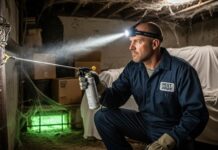

St. Louis is a happening Missouri city with dense housing, older properties, erratic climate, and numerous pest infestations. Summers here are warm and humid – the exact conditions that many insects want, while winter months are cold with intermittent freeze-thaw cycles. Closeness to the Mississippi River, the Missouri River, and the River Des Peres watershed, extensive alley systems, and shared walls between buildings are factors that influence pest issues. In this guide, we have shared 7 misconceptions about pest infestations in the city.
- Myth – Professional Pest Control is Optional: There is no alternative to hiring a reputable local service like Pointe Pest Control in St. Louis – Period. No matter what others tell you, DIY remedies or regular products from local stores cannot match the work of trained technicians. Given how pest issues are rather persistent in the city, you need the Pointe team to inspect and create a bespoke treatment plan.
- Myth – Brick Homes Don’t Have Pests: That’s another myth. Brick does not stop pests but hides activity. Owing to factors like mortar gaps, sill plates, and utility penetrations, insects and rodents can easily enter homes. If you think termites cannot access wooden structures, you will be surprised to find soil tubes during inspections.
- Myth – Pests Die in Cold Winters: It is a myth that freeze–thaw winters will eliminate pests. Much before temperatures drop, rodents, ants, and roaches relocate indoors, and termites manage to survive the cold by remaining below the frost line. Yes, you may not detect as much activity, but that does not certify the lack of an infestation.
- Myth – No Visible Pests Means No Problem: That is again untrue. Pests in St. Louis can be found in wall voids, basements, and attics. By the time pests become visible, the infestation has most likely spread to different areas. Also, finished basements often conceal early warning signs.
- Myth – Clean Homes Don’t Get Infestations: While having a clean house does help, that alone doesn’t prevent problems. Pests infest homes for reasons like multiple entry points, existing moisture, and sheltering spots. If you leave pet food bowls within reach, fail to dispose of food waste immediately, and aren’t careful about trash, you will continue to find more rodents and roaches. Most properties close to alleyways are always at risk.
- Myth- DIY Products Are Enough: Retail sprays and other products you find in the supermarket work only on surface problems. DIY doesn’t account for factors like rodents entering from sewers, underground subterranean termites, and hidden ant colonies. DIY often delays treatments, because residents continue to try new fixes and remedies until they run out of options.
- Myth – Pests Are a Seasonal Problem: Pest cycles in St. Louis often overlap across seasons. In other words, summer pests don’t just disappear in winter and vice versa. You cannot expect to spend on spring treatment and assume that your property is safe during summer and fall. That’s one of the reasons why expert technicians always recommend regular inspections to find and fix early signs.
Hire a Professional Team in St. Louis
If you really want to avoid infestations, the ideal step is to get an annual plan. You will find numerous pest control companies in St. Louis that offer maintenance contracts, so the work isn’t limited to one treatment. Technicians will schedule visits every two to three months, and if they find nesting spots or hidden issues, they will immediately work on the treatment plan. Fixing extensive infestations can cost a lot more otherwise. Just ensure that the company you choose is a reliable one with a clear understanding of local factors and experience with different housing types and neighborhoods.