
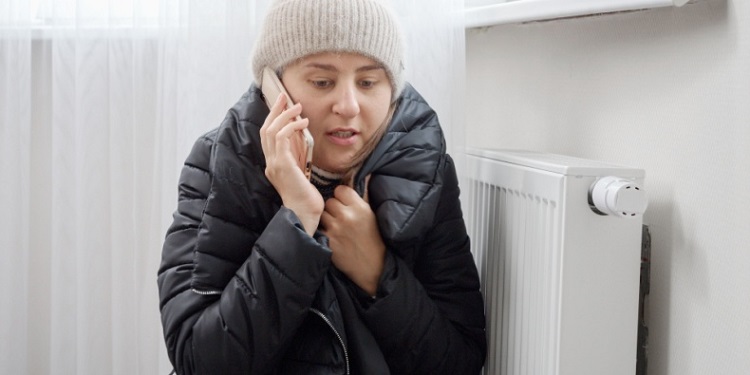
When you live in Calgary, you are used to how unpredictable winter is. It may be -5 degrees C one day, and the next morning, you experience -30 degrees C, and a furnace that simply cannot keep up. Calgary has its own combination of deep freezes, dry air, and sudden chinooks that place much pressure on your home heating system.
How can you tell, then, whether your furnace is on its deathbed before it actually just dies on you in the middle of a cold spell? Here are the red flags and how you can keep warm and stress-free throughout the entire winter.
Table of Contents
Your furnace is producing strange sounds
Do not ignore when your furnace begins to bang, rattle, or even squeal in high-pitched tones. Such noises characteristically indicate that something within is loose or tired. It may also mean that something is on the verge of breaking. Components exposed to the dry air, such as belts and bearings, wear out quickly.
What to do: Call a technician in. Identifying this early may imply minor fixing it now rather than a complete breakdown later.
Inefficient heating of your home
Does one of your rooms burn up like an oven, and the other turn into an icebox? That may mean that your furnace is having trouble spreading air effectively. It could also be that your ducts aren’t well-sealed to suit our cold weather.
What can you do: Run a quick inspection by examining your vents to ensure that they can pass and are open. If it continues, perhaps it’s time for a furnace repair Calgary, so the technician can inspect the ductwork.
Increased energy bills compared to usual
The first indication that your furnace is not running efficiently is a surge in your heating bill. Calgary winters are months long, and therefore, when your furnace has to work overtime to achieve the same outcome, the problems escalate very fast.
What to do: Make comparisons of your bill with that you had last year, if you have it. Minor inefficiencies can be addressed easily in time by professional cleaning and a service check.
The furnace keeps cycling on and off
Most cycling, or frequent ON/OFFing of your furnace, can cause premature damage. This is particularly prevalent during fluctuating temperatures. They can trip up old thermostats and systems.
What to do: Ensure your thermostat is functional. You can also have a technician check your system’s sensors or heat exchanger to ensure everything is functioning properly.
Odorous or air quality problems
It is common to smell a dusty or burning smell when you turn your furnace on. However, if there is still an odor after turning the furnace on, then there is something wrong.
What you can do: Replace your filters on a regular basis and request service when odours occur.
Wrapping up
Don’t put it off until it’s -30 °C. Furnace failure is not only inconvenient but also dangerous. Should you witness any of these symptoms, the first good thing you can do is to arrange for an inspection by a professional prior to full winter. Many problems are simple to resolve when in their successive stages, and easily turn into serious issues when given a long enough time.