
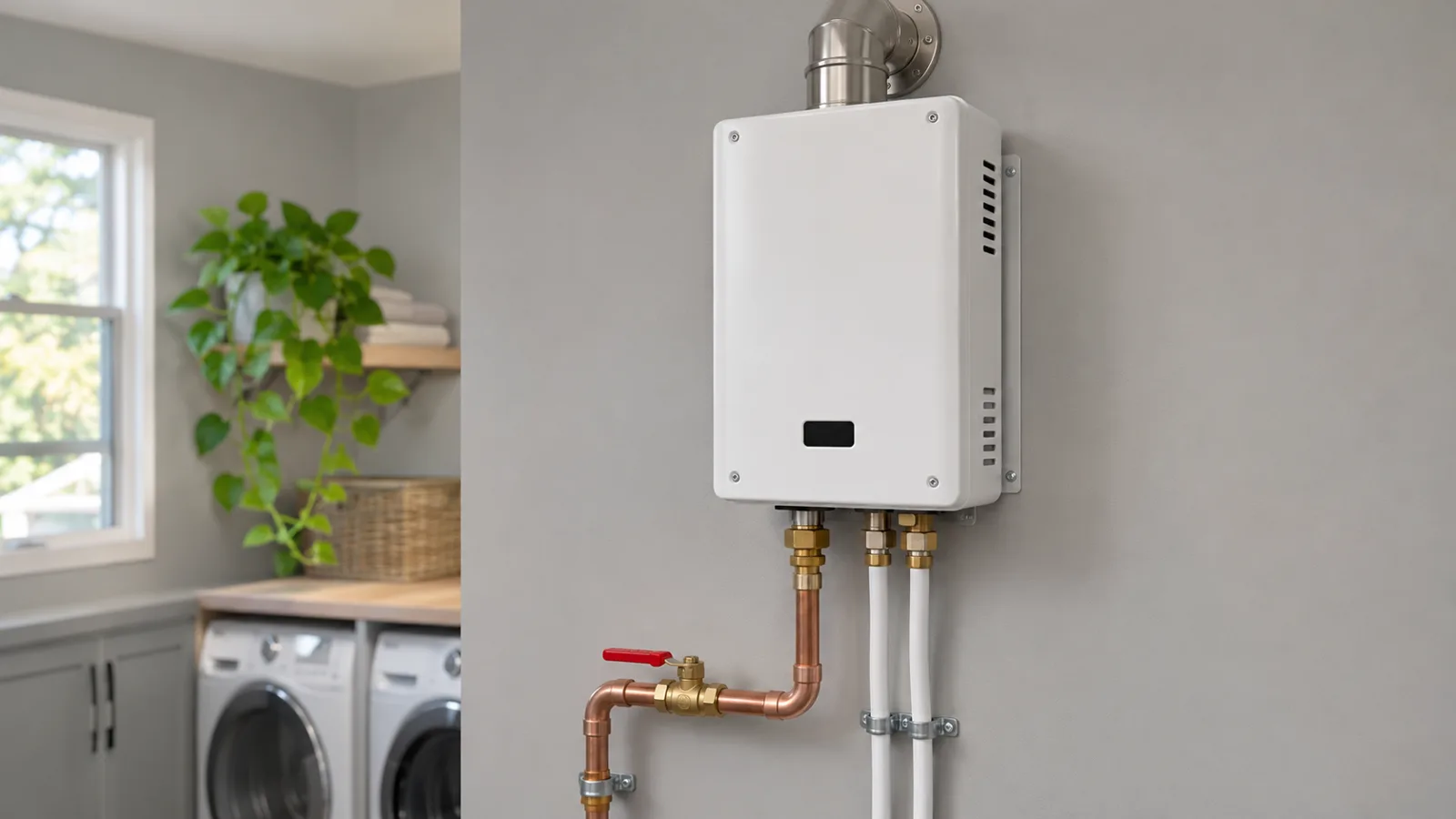
Hot water is one of the quiet necessities of modern living, yet most homeowners rarely think about how it arrives at the tap until a morning shower turns unexpectedly cold. For generations, residential plumbing relied almost exclusively on large storage tanks that kept dozens of gallons of water heated around the clock. Today, tankless water heater repair near me offers a fundamentally different approach by generating hot water only at the exact moment a faucet or appliance calls for it. Understanding how these compact systems operate reveals why so many households are rethinking traditional water heating.
Table of Contents
The Shift Away from Traditional Storage Tanks
Conventional storage water heaters operate like giant insulated kettles. They hold forty to fifty gallons of water inside a metal cylinder and rely on a bottom-mounted burner or internal electric elements to keep that reservoir hot twenty-four hours a day. Even when nobody is home or everyone is asleep, heat slowly escapes through the tank walls into the surrounding utility room, forcing the heater to switch back on periodically to maintain its thermostat setting.
This constant reheating cycle creates a steady drain on household energy known as standby heat loss. Beyond wasted energy, storage tanks impose a strict volume limit. Once a busy household drains the stored supply through back-to-back showers, laundry loads, and dishwashing, everyone must wait while the tank refills with cold water and slowly brings the entire batch back up to temperature. Tankless water heaters eliminate both the standby heat loss and the waiting period by removing the storage reservoir altogether.
Everyday Benefits for Modern Households
The most celebrated advantage of tankless technology is an uninterrupted supply of hot water. Because water is heated dynamically as it travels through the unit, the system never runs empty during a long shower or while filling a deep soaking tub. As long as the unit is properly sized for the household, hot water flows continuously for as long as the tap stays open.
Space efficiency is another major draw for contemporary floor plans. Roughly the size of a carry-on suitcase, a tankless heater mounts flush against an interior or exterior wall, freeing up valuable floor space in garages, basements, and laundry closets. Eliminating a forty-gallon tank also removes the risk of catastrophic water damage caused by a corroded tank rupturing and flooding a utility room.
Durability and lower operating costs round out the appeal. Without a tank full of standing water constantly corroding metal walls, tankless units regularly last fifteen to twenty years or longer, roughly twice the service life of standard storage heaters. Heating water strictly on demand also reduces energy waste, translating into steady savings on monthly utility bills.
Sizing and Installation Considerations
Switching to an on-demand system requires careful attention to two engineering metrics: flow rate and temperature rise. Flow rate, measured in gallons per minute, represents the combined volume of water drawn by every fixture running simultaneously. Temperature rise is the difference between the incoming cold groundwater temperature and the desired hot output temperature, usually around 120 degrees Fahrenheit. Colder climates require a greater temperature rise, which slightly reduces the maximum flow rate a unit can sustain at full output.
Homeowners must also account for infrastructure and routine upkeep. Retrofitting a gas tankless unit often requires upgrading existing gas supply pipes to handle higher fuel volume and installing dedicated stainless steel or PVC venting. Once installed, periodic maintenance such as flushing the heat exchanger with a descaling solution prevents mineral buildup from hard water, keeping heat transfer efficient for decades.
Conclusion
Tankless water heaters transform residential water heating from a passive storage model into a responsive, precision-controlled process. By pairing sensitive flow detection with rapid heat exchange, these wall-mounted systems deliver endless hot water while eliminating standby energy waste and reclaiming living space. With proper sizing, thoughtful installation, and simple annual maintenance, an on-demand water heater provides reliable comfort tailored to the rhythms of a modern home.